
State legislator warns of potential special session about the budget
By Zoe Seiler, Decaturish
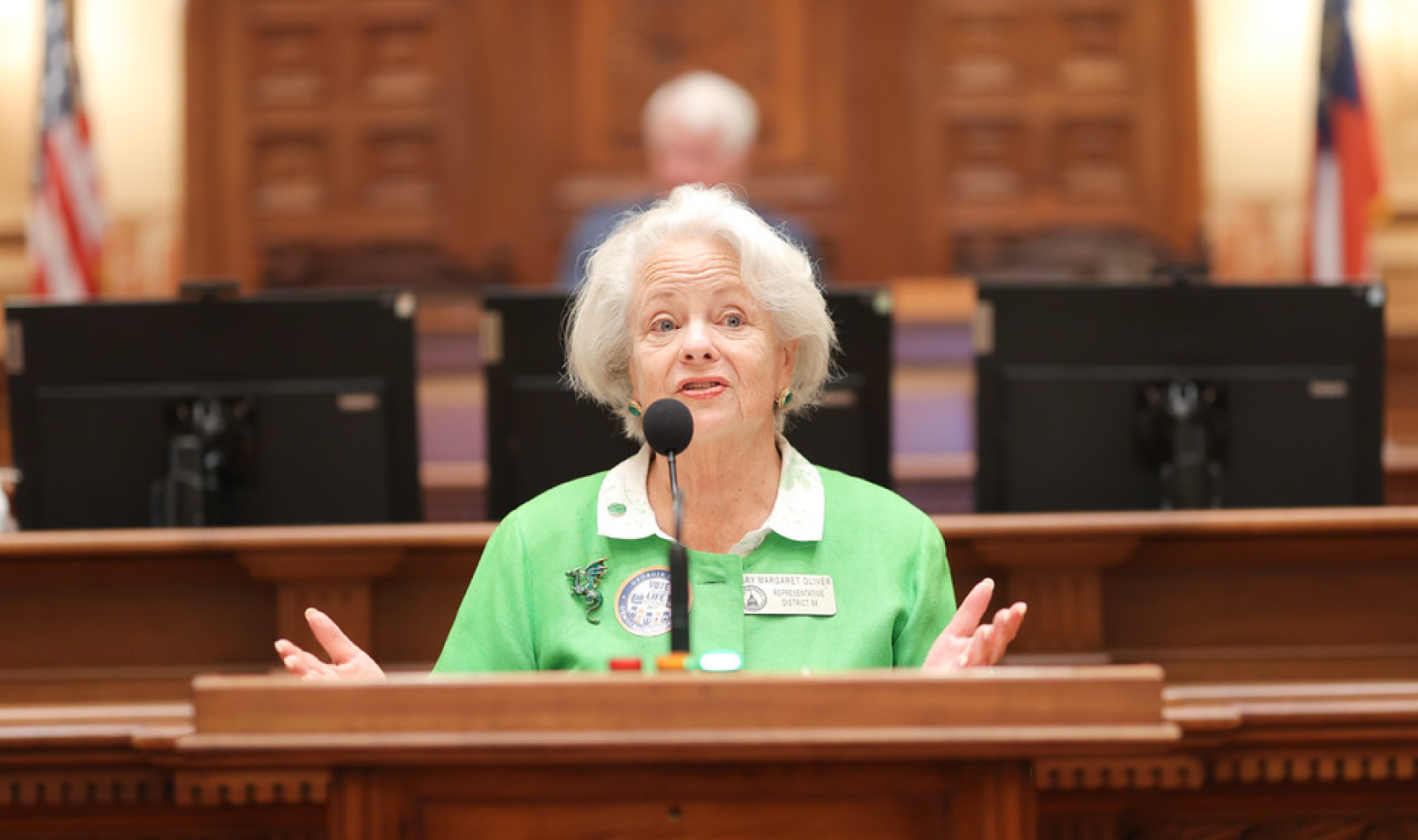
DEKALB COUNTY, Ga. — State Rep. Mary Margaret Oliver (D – Decatur) suspects the Georgia General Assembly may meet for a special session on the state budget amid concerns of reduced federal funding.
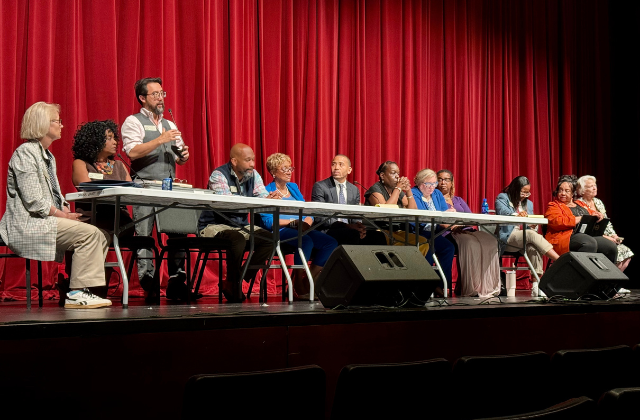
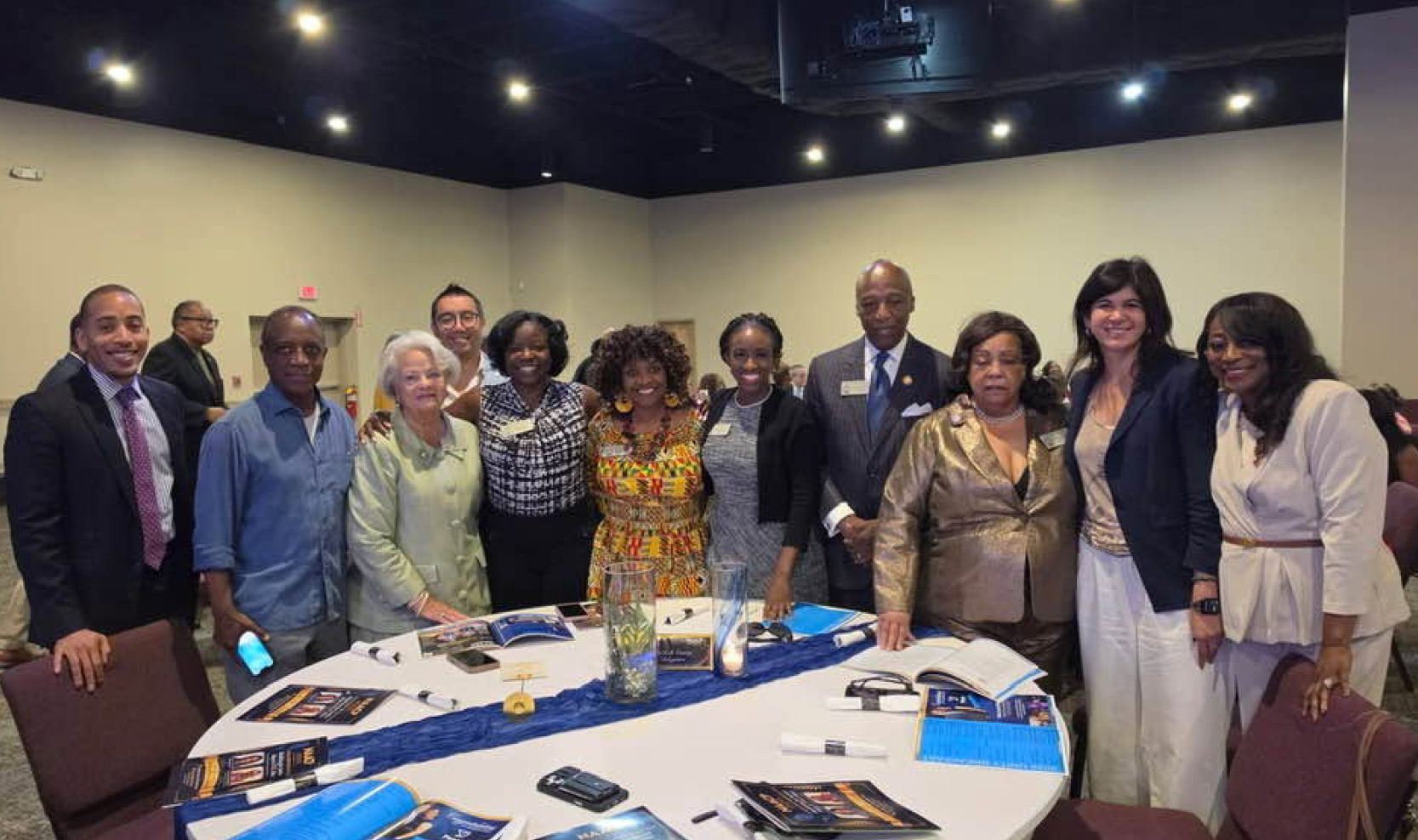
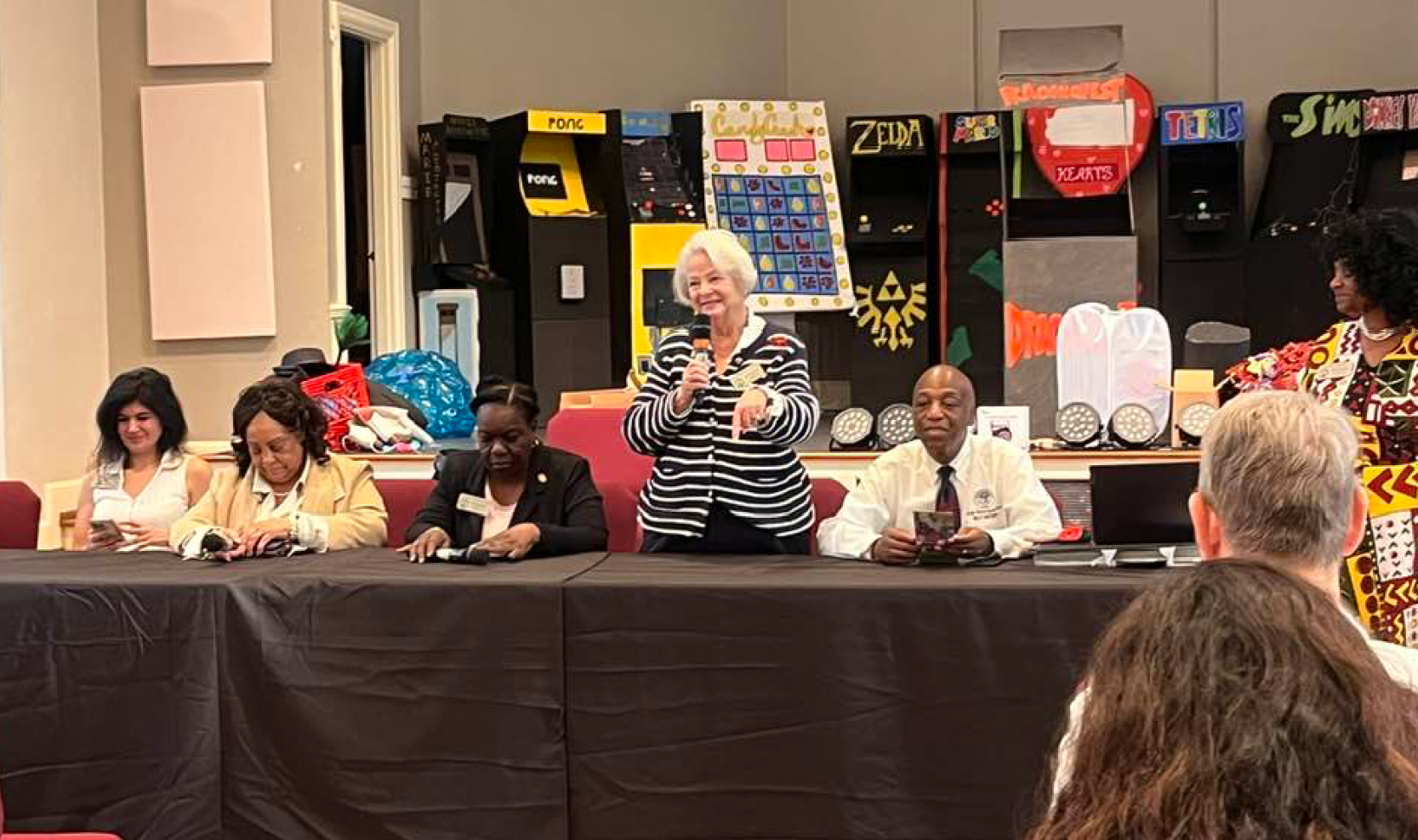
The topic came up during a town hall April 30 with the DeKalb House delegation. Several DeKalb legislators attended to talk about bills they introduced or fought against, and topics they think will come up.
The state budget is about $35 billion, and is about doubled with federal funding. Georgia spends closer to $70 billion, Oliver said.
“We know that right now in Washington, there is activity every single hour of the day to cut that $35 billion share of our $70 billion in spending dramatically,” Oliver said. “I think that our discussions about budget, particularly around our Medicaid funding…will result in us having a special session before the federal budget year begins Oct. 1.”
“I am very, very worried about all of that, that’s happening in Washington, that’s coming our way,” she added.
In the recent session, DeKalb legislators drafted bills about topics such as gun safety, maternal health care, mental health, tenant rights, criminal justice reform, homeowners associations, and literacy.
Rep. Viola Davis (D—Stone Mountain) also noted that the state House of Representatives changed its rule this year to limit lawmakers to introducing a maximum of 10 bills each year.
“To show my disapproval, since they didn’t allow us to vote on the rules because of a technicality, the first day I dropped 22 bills to send a clear message that I did not approve of their rule,” Davis said. “You will not limit the work I do for the people, especially when 95% of the work I do is outside of session.”
Rep. Karen Bennett (D – Stone Mountain) shared some numbers from the session. About 750 bills were introduced in the state House this year, and 121 passed. Senators introduced 336 bills and passed 67. In total, 188 out of 1,086 bills passed the Legislature, and five of those were Democratic bills.
One of those bills was House Bill 399, which Rep. Oliver sponsored. The bill requires out-of-state housing investors to have in-state property management sources and submit to the authority of the Georgia Real Estate Commission.
“The reason we were successful in passing that bill is that both Republicans and Democrats understand this is a big economic issue taking away housing stock in a state where we already lack housing stock,” Oliver said.
She added that Georgia needs to focus on housing and affordable housing.
This year, Rep. Regina Lewis-Ward (D—McDonough) introduced HB 512 to address homeowners associations. The bill did not pass, but it attempted to cap the cost of a closing letter.
“If you live in an HOA and you sell your property, the lender wants to know what arrears you have with the HOA,” Lewis-Ward said. “You pay for that letter, and some of those letters go up to as far as $450 that the homeowner has to pay. My bill would cap those fees at $250.”
The legislators also discussed the difficulty of the session and the tension they felt.
“This is my tenth session and every year it gets more and more interesting, but I can safely say that the climate that we’ve seen in D.C. found its way to Georgia,” Rep. Doreen Carter (D – Lithonia) said.
Rep. Imani Barnes (D – Tucker) has been working to establish a pilot program to add psychiatric emergency rooms.
“If you’re having a mental health crisis, you will not have to wait in the ER, get blood taken, and possibly exacerbate your mental health crisis from being in a very stressful situation,” Barnes said.
She added that it could free up beds in emergency rooms and cost less to send a patient to the psychiatric ER, which she calls an empath unit.
“I initially drafted the bill to put empath units in our hospitals,” Barnes said. “This year, I amended it [to] do a pilot program. Let’s just try it out, and let’s just try out two. I want one in a rural community and one in our urban communities to try to see if it mitigates some of the recidivism rates for mental health crises.”
.png)


