
2026 Session Begins
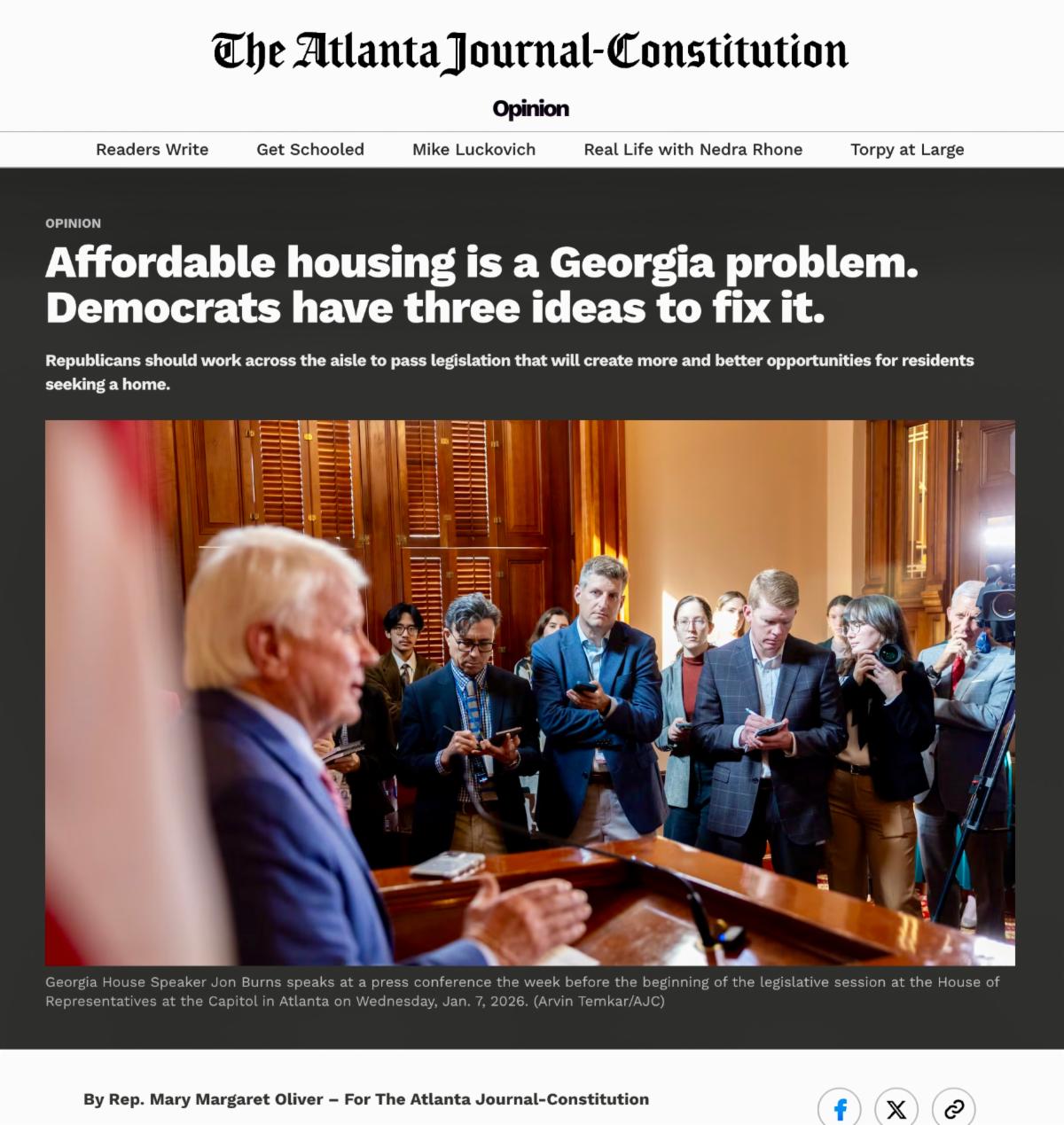
MY OP-ED IN TODAY'S AJC
THE 2026 SESSION BEGINS - AND PUSH FOR HOUSING AFFORDABILITY
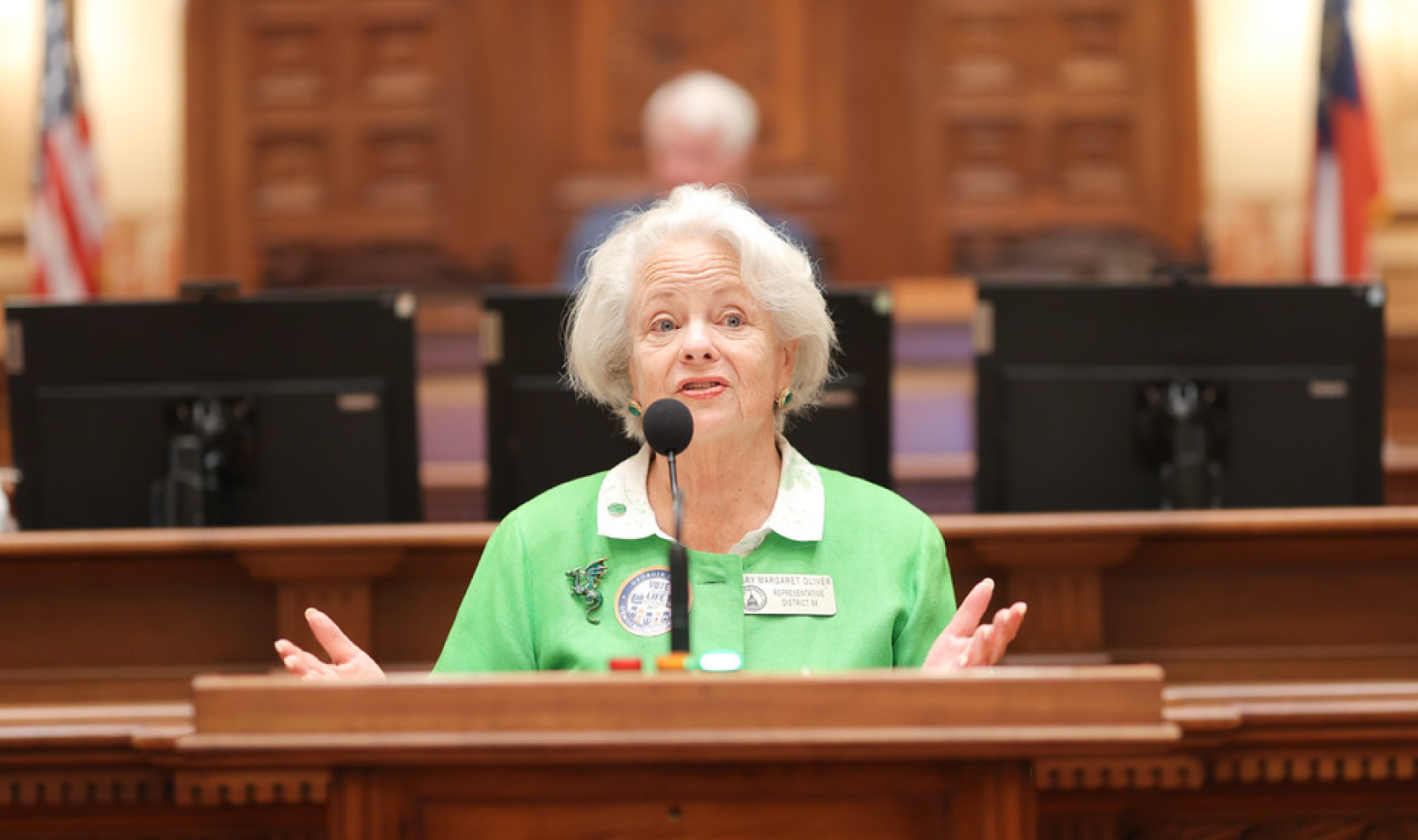
I am delighted that David Plazas, AJC opinion editor, ran the op-ed this morning I prepared for the Caucus agenda on affordable housing. I am leading this work group, meeting with Republicans, Democrats, and staff in the Speaker's office, and proceeding to advocate for this agenda. We anticipate introducing new legislation the week of January 26th and will keep you informed of our progress. I am encouraged at this point that we will have some bipartisan participation and that our discussion will get attention. Fingers crossed and I appreciate your interest. Please read the op-ed here or below.
HOUSING AFFORDABILITY: SPECIFIC SOLUTIONS FOR THE 2026 SESSIONBY REPRESENTATIVE MARY MARGARET OLIVER
House Democrats have heard repeatedly that housing affordability remains out of reach for too many. In response, we have assembled a practical set of housing proposals for consideration in the 2026 General Assembly. We are seeking good-faith partnership with House Republican leadership to prioritize ideas, introduce legislation, hold hearings, and advance budgetary and policy solutions. This is not about partisanship, but achieving results for working families and for those striving to own a home. The housing shortage is well documented by renters, homeowners, businesses, and developers alike. Regional data confirms housing as Georgia’s top economic pressure, with homeownership increasingly out of reach. The time for additional study has passed; measured, bipartisan action is warranted. We present three categories of proposals and invite others to offer ideas also.
1. Lower Costs for Home Ownership or Tenancy
A. Accountability for Out-of-State Investors
There is bipartisan agreement that corporate-owned homes are a tremendous burden on Georgia renters and would-be homeowners. Out-of-state investors are targeting Georgia and are purchasing houses to rent. These investors own nearly 80,000 single family homes in Georgia and in many counties, corporations own over half of the homes available for rent. This increases prices and lowers housing stock, and tenants are left with a faceless landlord and poorly maintained properties. We must put an end to this. HB 399, a bipartisan bill passed in 2025, requires out-of-state investors to use Georgia real estate agents and maintenance staffs. Other bills were introduced to limit the number of houses that could be purchased. A restriction on out-of-state purchases of single-family homes needs to be revisited.
B. Eliminate Unfair Tax Break
Why should a corporate developer receive a depreciation tax advantage intended for single families? HB 616 addresses this disparity and requires corporations to pay their taxes without this loophole.
C. Prevent Price Gouging
Digital tools that maximize rent should be prohibited, following the lead of other states.
D. Property Tax Relief for Essential Workers
Property tax will be a focus this Session. We propose freezing property taxes for all law enforcement officers, teachers, and health care workers making up to 150% of their area’s median income.
E. Housing Stability for Former Foster Kids
Former foster care children who turn 18 years old are becoming homeless at a disheartening rate. We must distribute federal vouchers to protect our vulnerable young adults and use available federal money for this uniquely vulnerable population.
2. Strengthen Tenant Rights
A. Define Habitability
HB 404 passed in 2024 and stated rental units must be habitable, but did not include a definition of habitability. This has led to confusion, litigation, and continued poor living standards. Since there is already an accepted standard relating to code compliance, we should codify that.
B. Codify “Repair and Deduct” Protections
Georgia caselaw allows a tenant to “repair and deduct” expenses to correct defects that the landlord refuses to repair. This caselaw should also be codified.
C. Allow Rental Registries
The statutory ban on a rental registry should be repealed. This would enhance landlord accountability and ultimately improve housing safety while still respecting local authorities.
D. Transparency in Tenant Fees
Fees for tenant applications or occupancy should be disclosed and defined by statute.
3. More Doors: Build More Houses
A. Modernize Zoning Procedures
We have developers ready to get to work building more homes, but some local zoning rules are too onerous to let them. HB 400, the Choice Act, provides incentives for localities who want to give their people more options for their housing stock.
B. Expand “Tiny House” Options
Homeowners should be allowed to build secondary homes on their property if they want to, and the local and state government should not be telling people how to use the extra space in their yards.
C. Expand Tax Credits for Homeownerships
Current law allows sellable tax credits for building apartments for lower-income tenants. These credits could also be used to support homebuilders who sell to buyers priced out of the market, or to key workers like police officers, teachers, and nurses, and could be expanded statewide through legislation.
D. Finance Affordable Home Construction
Developers make more money building expensive homes, so many developers are focused there. To allow developers to build homes for working people, we must provide financing. As such, we have drafted legislation to codify “significant public benefit” to include building homes for households whose income does not exceed 80 percent of the area’s median annual household income. We also look forward to working with Governor Kemp to oversee the $125 million appropriation for developers to build infrastructure and moderate single-family homes through the Georgia One Authority and the Department of Community Affairs for Workforce Housing. While currently limited to rural areas, this may be a model for our suburban and urban areas as well. These legislative proposals are ready for action. There are many other and perhaps better ideas we should also consider. House Democrats ask for and hope for a detailed and public bipartisan discussion. We are ready to go to work.
Mary Margaret Oliver is a Democratic State House Representative for Decatur and surrounding areas. She is also a member of the House Democratic Caucus Housing Working Group.
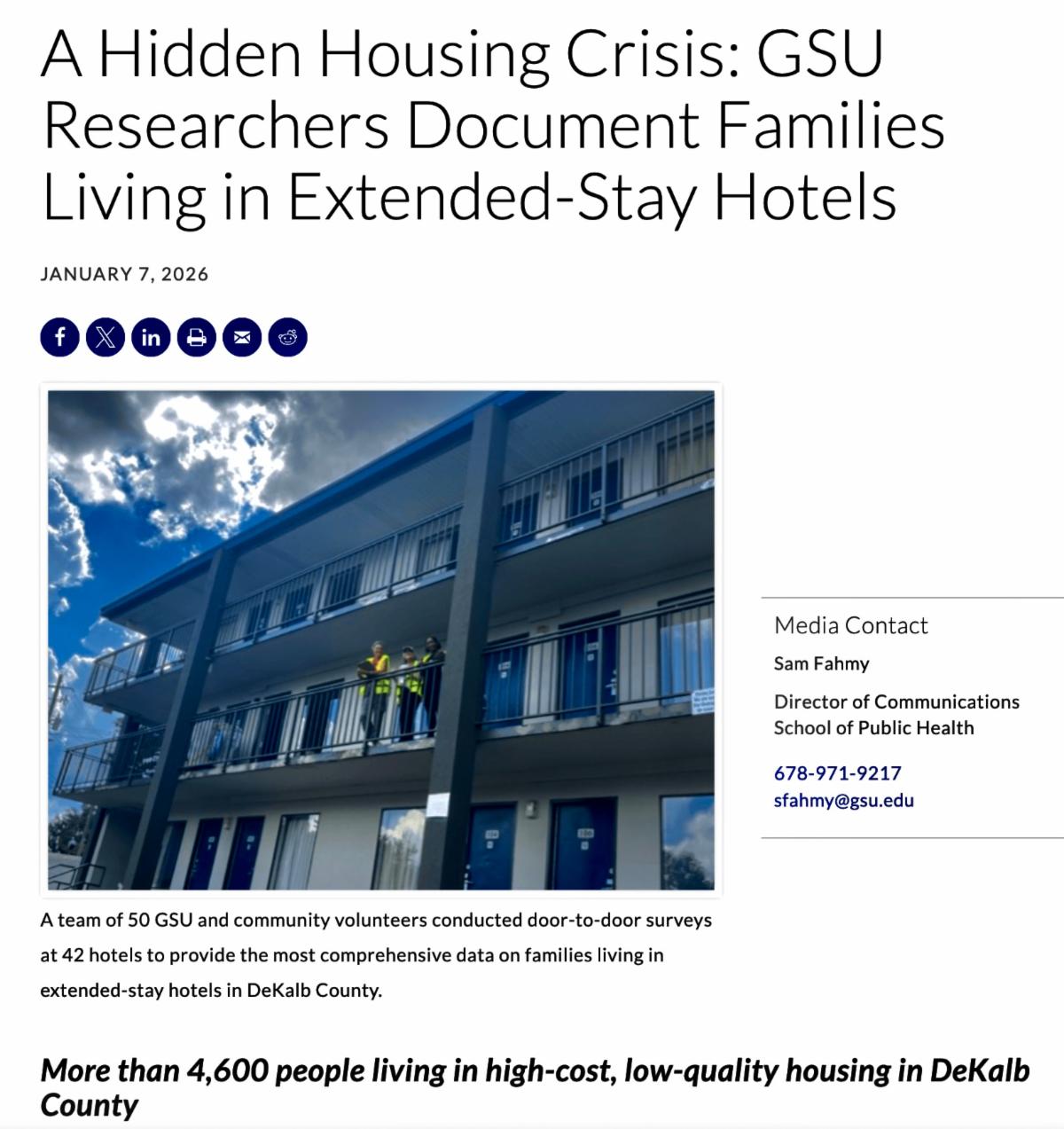
In addition, based on our ongoing discussion about families living in extended-stay hotels, I applaud DeKalb County's report entitled A Hidden Housing Crisis: GSU Researchers Document Families Living in Extended-Stay Hotels.
GOVERNOR KEMP'S STATE OF THE STATE SPEECH
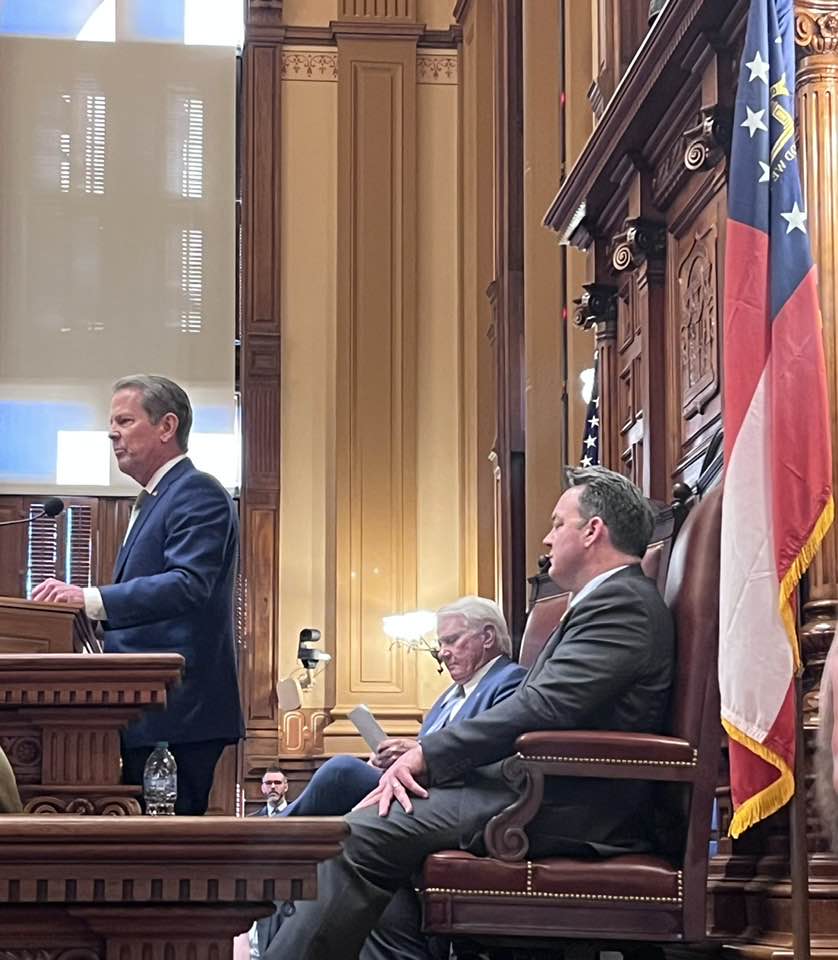
On Thursday of this week, Governor Kemp gave his State of the State and budget preview to a joint Session of both the House and the Senate in the House Chamber. I am sorry to report that Governor Kemp did not offer one mumbling word about his interest in DHS Commissioner Broce’s cancellation of foster care contracts. I am talking with House leaders again about the necessity to resolve this disastrous decision and to take some action as soon as possible. The elimination of 28,000 services for children in foster care violates court orders, federal statutory mandates, and most importantly, hurts children that have already been abused and are suffering from trauma. I remain hopeful that this disaster can be addressed very soon in the Supplemental Budget process.
Representative Lydia Glaze and I previously sent a letter to the Governor asking him to use emergency reserve money to reinstate the foster care services contracts and we received no response. See the letter below.
The good news of Governor Kemp's budget is that he is committing $325 million for needs-based scholarships, and this reform has been discussed for some time. I am also pleased that the governor is giving to the Georgia Housing Trust Fund $50 million for homeless services. This money is particularly urgent based on the Trump administration cancellation of homeless services programs. Glad to see progress.

APPROPRIATIONS HEARINGS NEXT WEEK
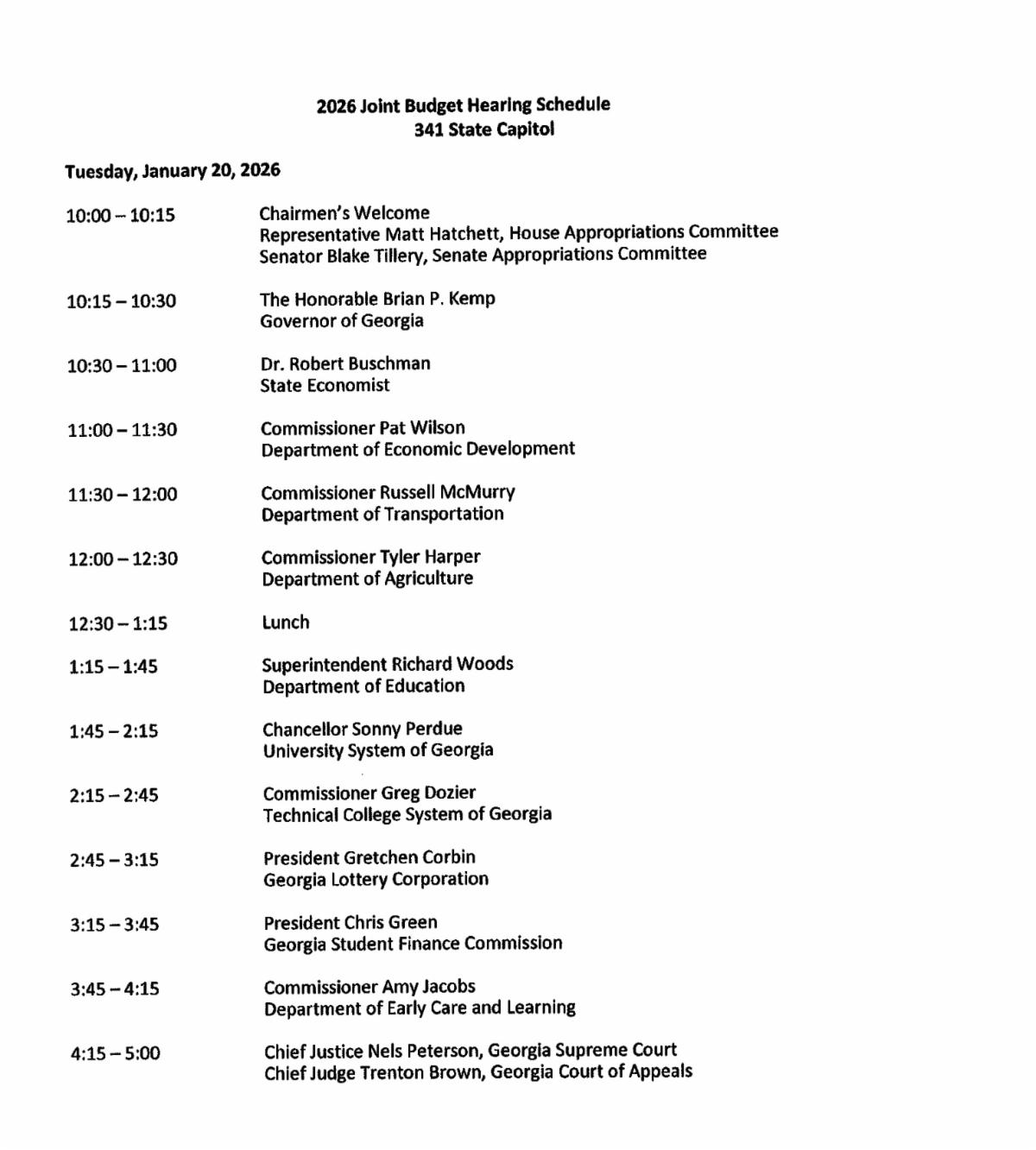
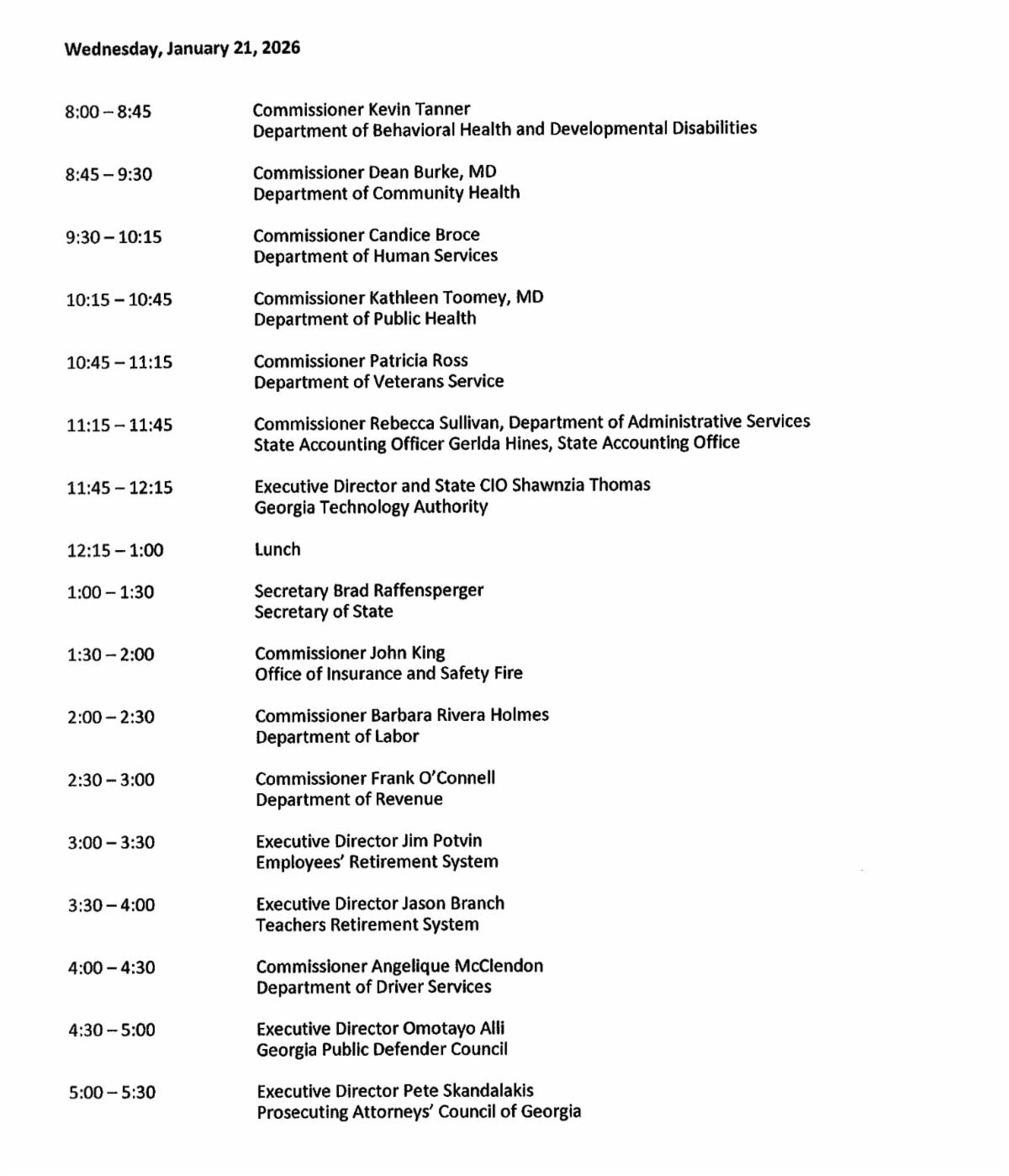
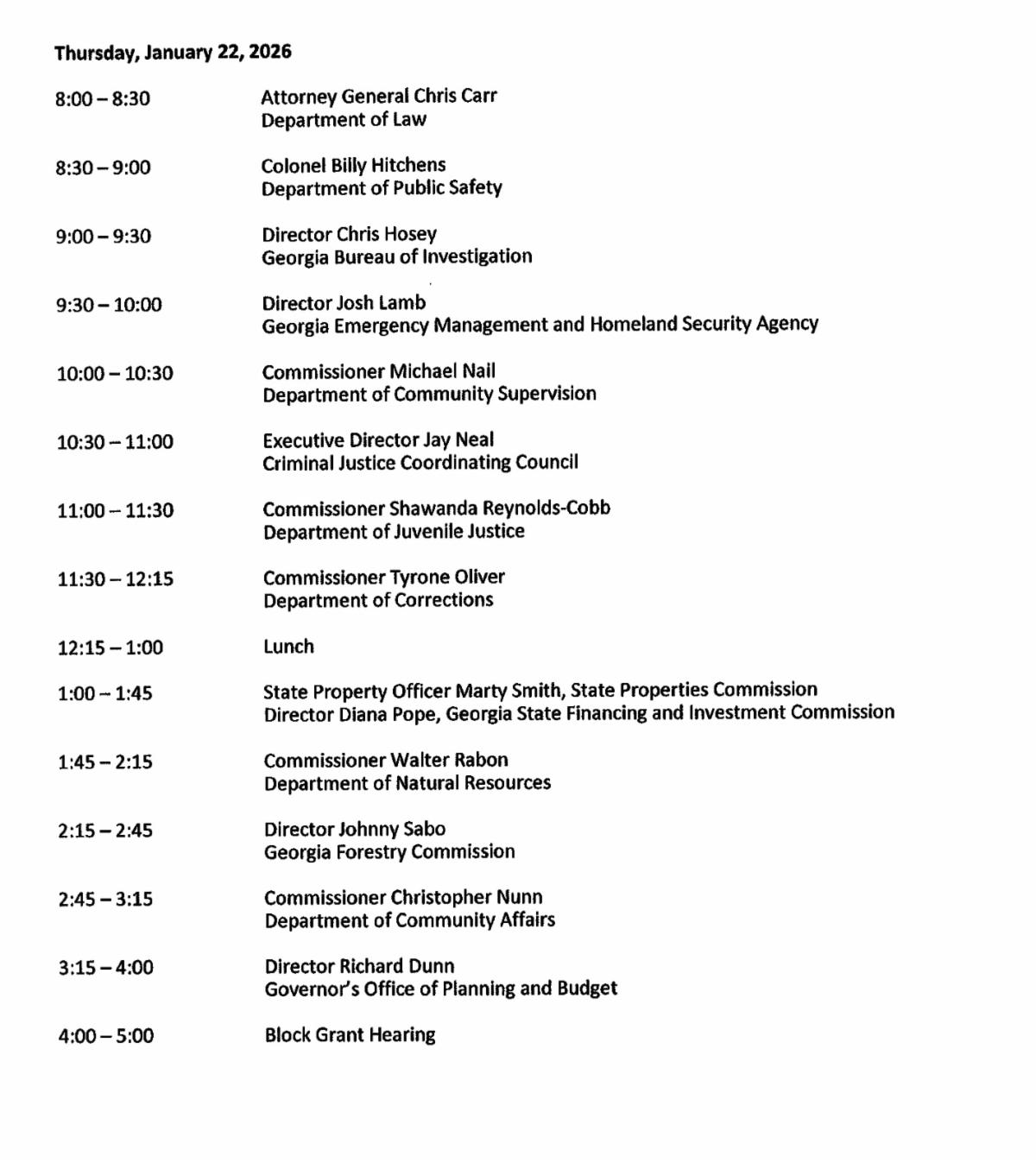
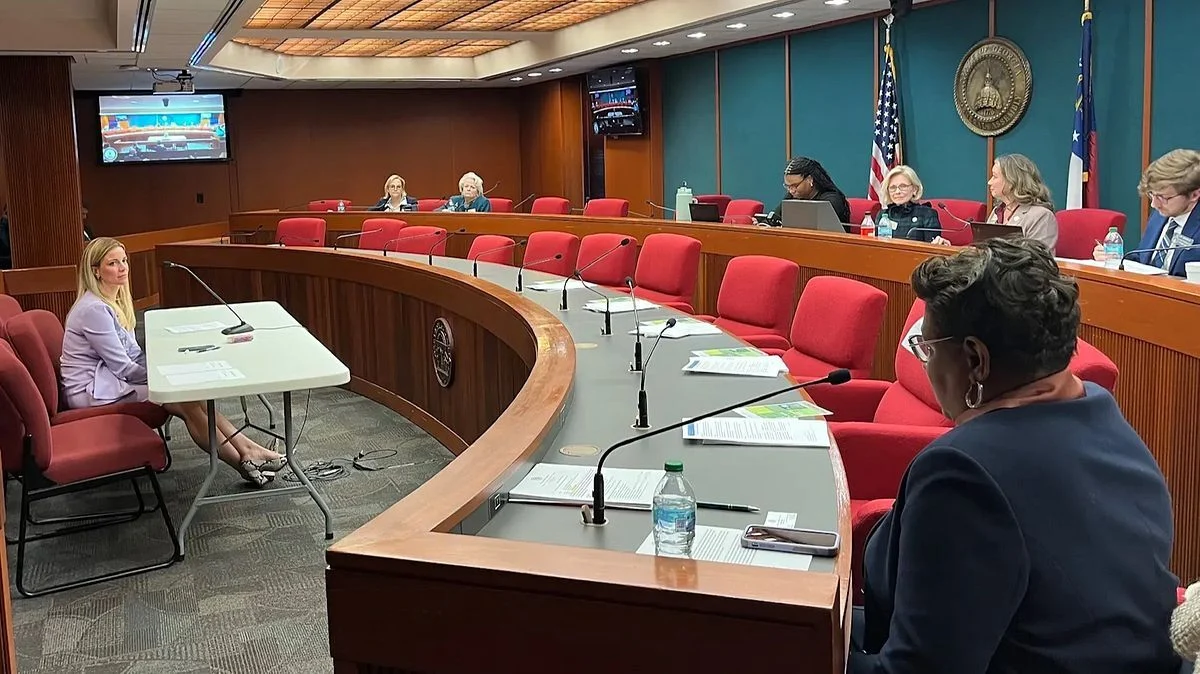
A joint hearing of the House and Senate Appropriations Committee Meeting begins Tuesday morning, January 20. Please see the schedule below. You may watch all the proceedings live at the GA General Assembly website. The Governor is the first speaker, followed by the State Economist and all agency directors. The full State Budget can be found here.
SPEAKING WITH NECESSARY TROUBLE GEORGIA
I enjoyed speaking with the Atlanta-based group Necessary Trouble Georgia, an Indivisible group focused on partnering with like-minded groups in Georgia to resist Trump's cruelty and bring more Democrats to statewide and local offices. Please watch the full January 11th interview below.
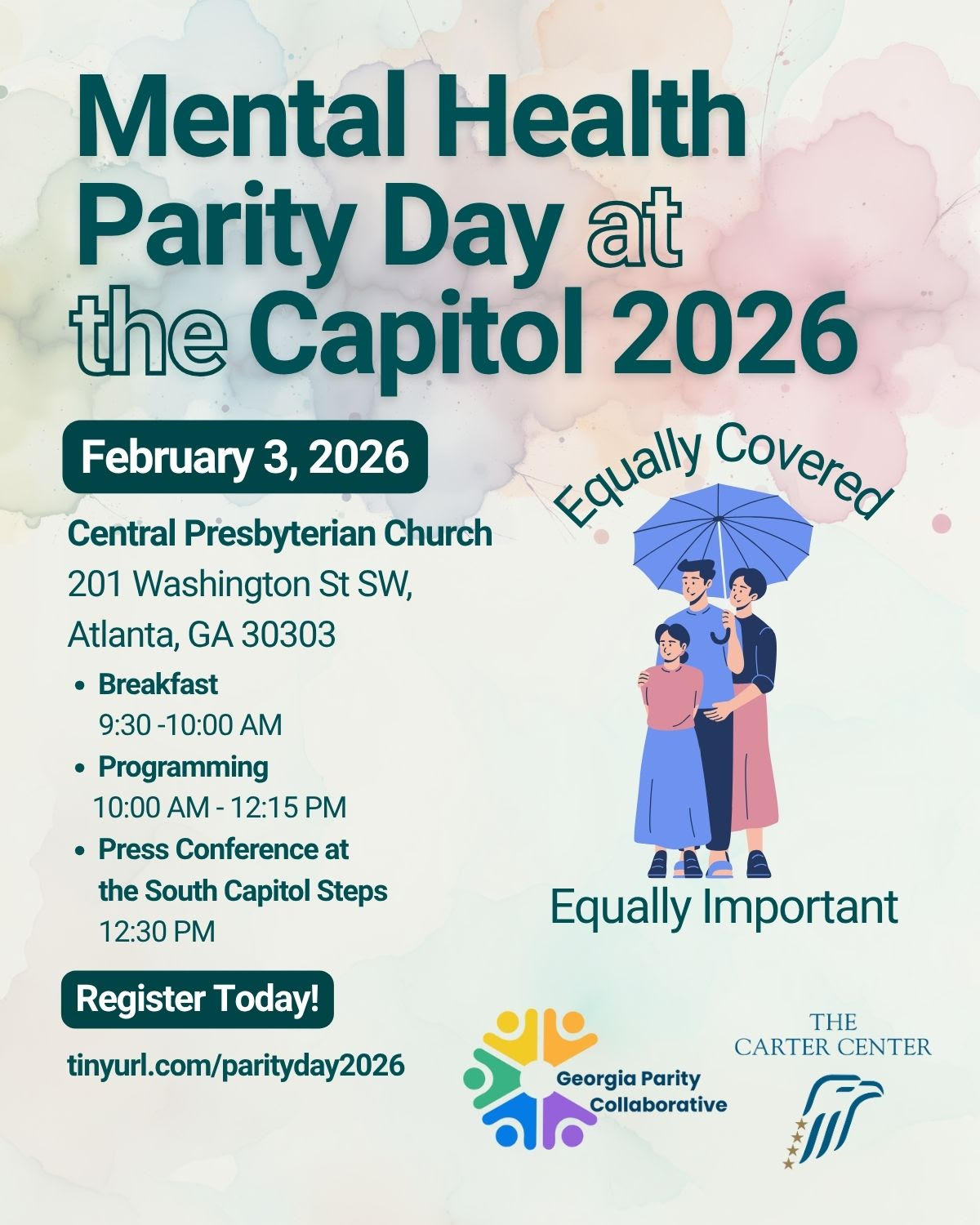
INSURANCE COMMISSIONER LEVIES 25 MILLION IN FINES FOR MENTAL HEALTH PARITY VIOLATIONS
Insurance Commissioner King last week announced 25 million dollars of fines and sanctions against insurance companies for their violations of HB 1013 parity provisions. We are happy to see these actions and Representative Todd Jones and I are looking at amendments to HB 1013 to strengthen options for enforcement.
The insurers and their fines included:
- Aetna ($1.843 million)
- Alliant Health Plans ($926,000)
- Blue Cross Blue Shield ($4.619 million)
- CareSource ($527,000)
- Cigna Healthcare ($2.058 million)
- Humana ($821,000)
- Kaiser Foundation Health Plan ($2.586 million)
- Kaiser Permanente Insurance Company ($289,000)
- Nippon Life ($224,000)
- Oscar Health Insurance ($10.247 million)
- UnitedHealthcare ($643,000)
Commissioner King asserted, "These fines are meant to send a message: No one's above the law, and that includes insurance companies. As I've said before, the time to get in compliance was yesterday. Today, we're taking action."
Read the full January 12 article by Jonathan Raymond at 11Alive.
TOWN HALLS AND DATA CENTERS
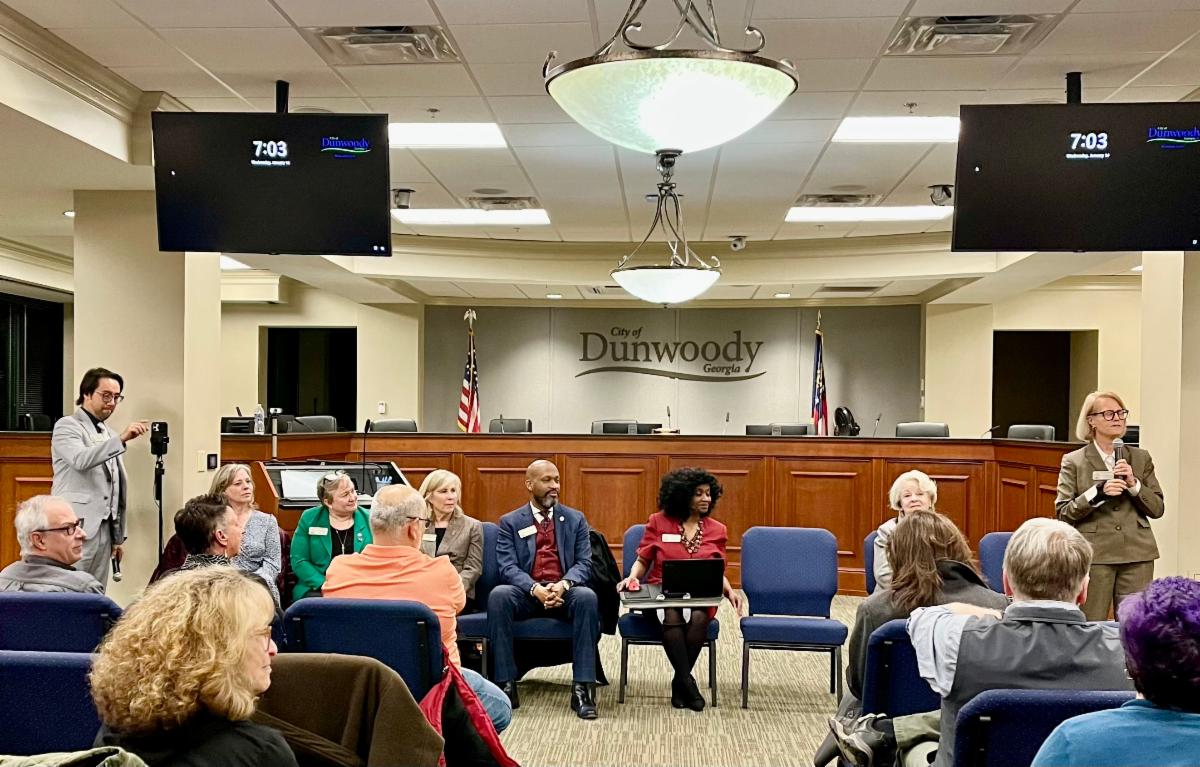
This week, the DeKalb Delegation hosted a Town Hall at Dunwoody City Hall, and we had a good crowd. I have participated in three town halls in December and January, and always appreciate your participation and comments. We make multiple efforts to communicate with constituents--town halls, Facebook and other social media, and my newsletter. Please tell your friends they can subscribe to my newsletter, whether or not they are constituents, on my website at MaryMargaretOliver.org.
At every town hall I have attended, data centers have been a big issue. I am a co-sponsor of HB 528 that requires specific information in any application for a data center permit. The applicant for a data center permit must disclose the amount of water used, the amount of electricity used, the cost of the county of services, and any incentives received by any entity to assist in the application. In addition, this week I co-sponsored HB 1012, filed by Rep. Ruwa Romman, which establishes a moratorium for permitting of any data centers by any Georgia county or city until 2027. I will keep you updated on any possible progress on these two bills. I'm grateful for everyone's interest on this important issue, and will continue to support more reforms as they come forward.
The Georgia Sierra Club reports that there is widespread bipartisan support for close monitoring of data center construction. For instance, the Georgia Farm Bureau has adopted the following position:
We believe data center developers should have to disclose to the public the amount of water and electricity the proposed facility will use. Furthermore, we believe data centers should recycle as much water as possible.
We encourage all environmental, economic, and community impacts be considered before data centers are located in communities. We oppose using tax incentives to recruit data centers in Georgia.
We support legislation regarding data centers and the threat they pose to the ground water supply.
Please read today's AJC article on data centers. You may also watch yesterday's WRDW Channel 12's news segment below. This segment reports that more data centers are coming to Georgia than any other state in the nation.
ARTS & MENTAL HEALTH HOUSE RESOLUTION 1007
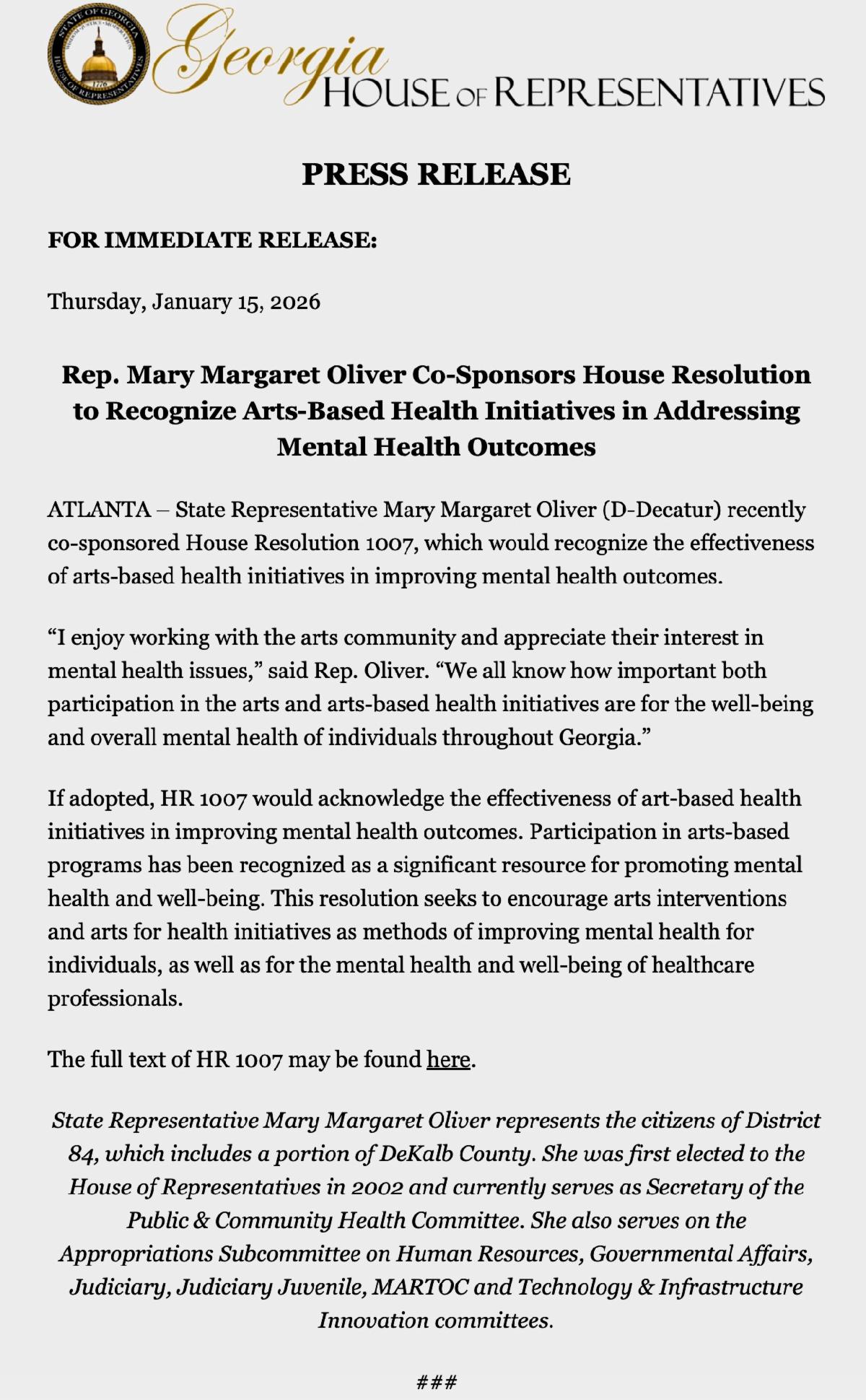
I am pleased to co-sponsor, along with a bipartisan group of House friends, a special Resolution, HR 1007, that highlights the importance of the arts in promoting better mental health outcomes for individuals, communities, and health care providers throughout Georgia. I have partnered with Woodruff Arts Center, which includes the Atlanta Symphony Orchestra and the Alliance Theater, as well as with Emory and the Carter Center, to create the Resolution below, and we hope to present the Resolution on the floor of the House shortly. I find it extraordinary that Georgia consistently ranks the lowest of any state in the nation in per capita arts funding. I hope that this Resolution will help encourage state lawmakers to support the arts in Georgia.
DEKALB DEMOCRATS WEBINAR
Thanks to Alan Essig and the DeKalb Democrats for inviting me to talk about the legislative process for their January webinar How the Sausage is Made: A Crash Course on the GA Legislature with MMO. Please watch the full video below.
COLLEGE INTERN BEVERLY BENFIELD
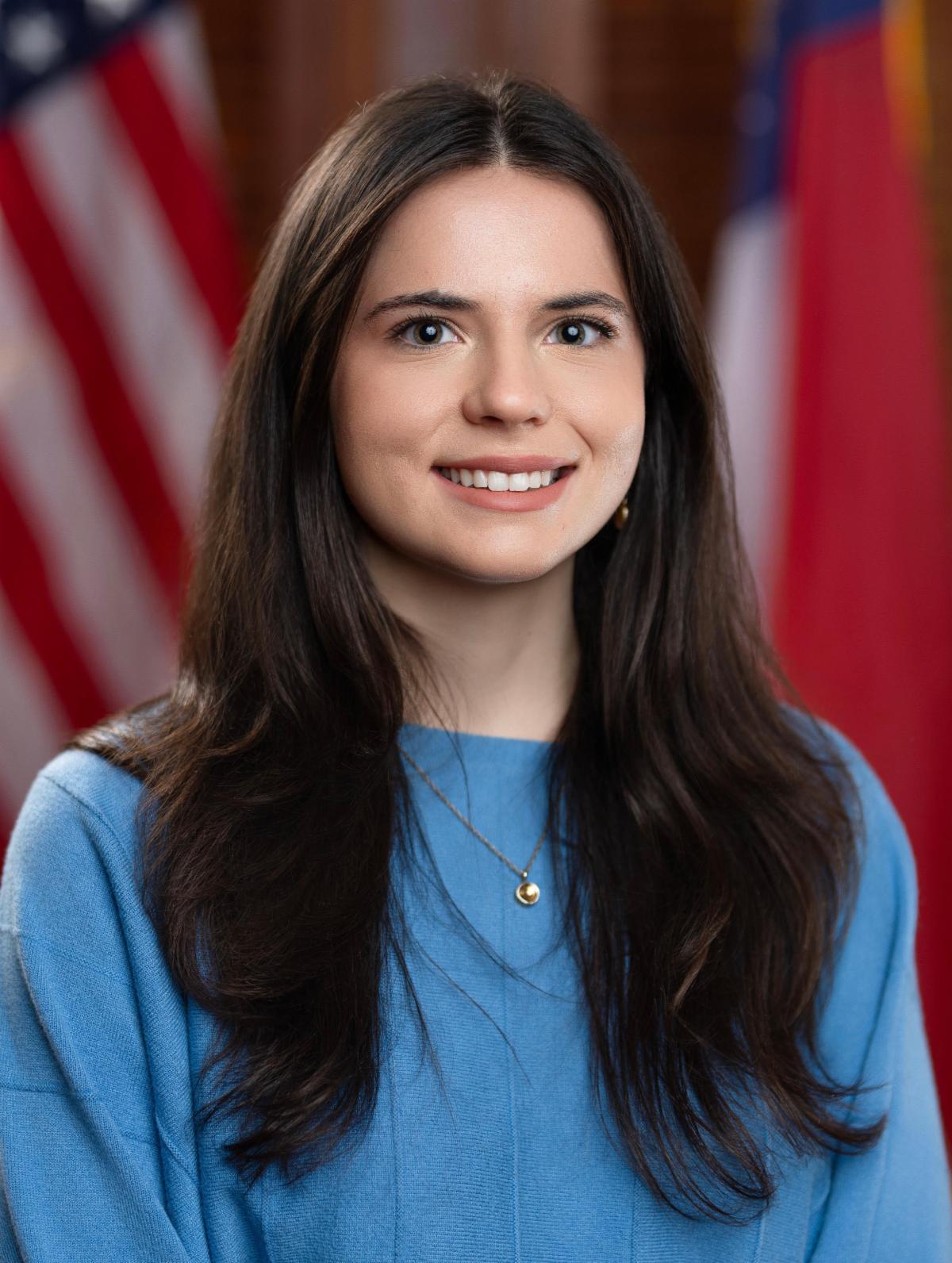
Please meet our January college intern! Beverly Benfield is a sophomore at Oberlin College majoring in Politics with a minor in Economics. An Atlanta native, she enjoys exploring local neighborhoods, trying out new restaurants, and long runs around Druid Hills. Beverly has kayaked 700 miles of Georgia rivers with Paddle Georgia.
Beverly is interning with Representative Oliver for her Winter Term Project at Oberlin this January. "I hope to gain a deeper understanding of Representative Oliver’s work and engage with the legislative process more closely.”
PREVIOUS POLL RESULTS
Should Gov. Kemp use emergency funds to restore $8M for foster care service contracts??
Total votes: 568
Yes: 91.6% (520 votes)
No: 8.4% (48 votes)
UPCOMING EVENTS AT THE CAPITOL


UPCOMING EVENTS IN DEKALB COUNTY


OUT AND ABOUT
I always like to share with you my activities as your Representative for House District 84. Please let me know at mmo@mmolaw.com if you have any suggestions for events that you would like for me to attend in your neighborhood. Thanks!
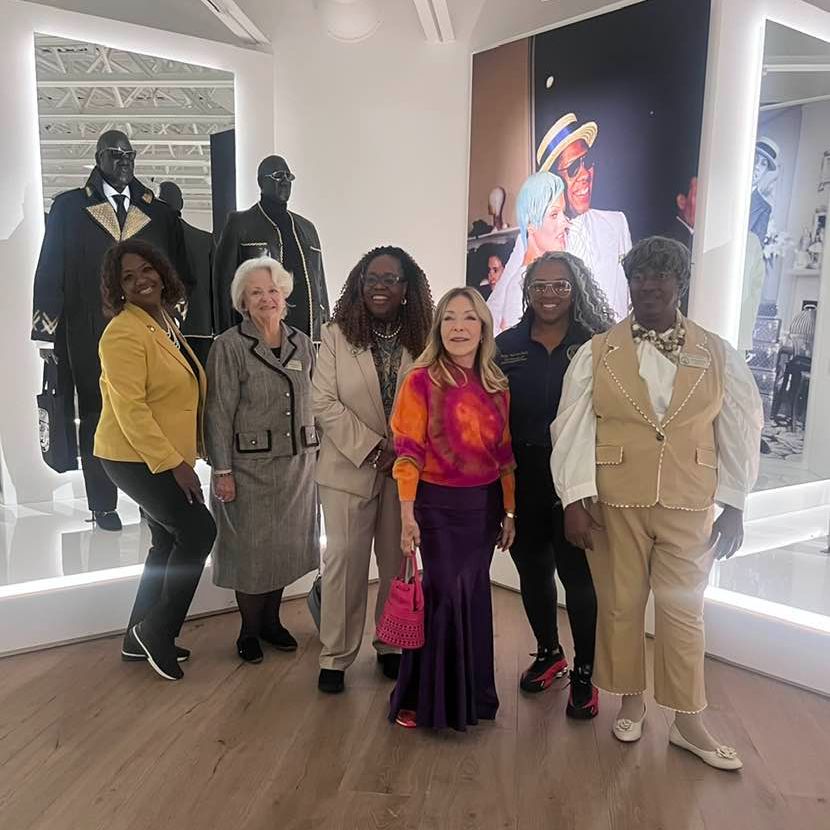
Way cool visit to SCAD ON January 14th for the Andre Leon Talley Exhibit! He was on the SCAD Board, and he donated all his wardrobe to the school. They honored him well!
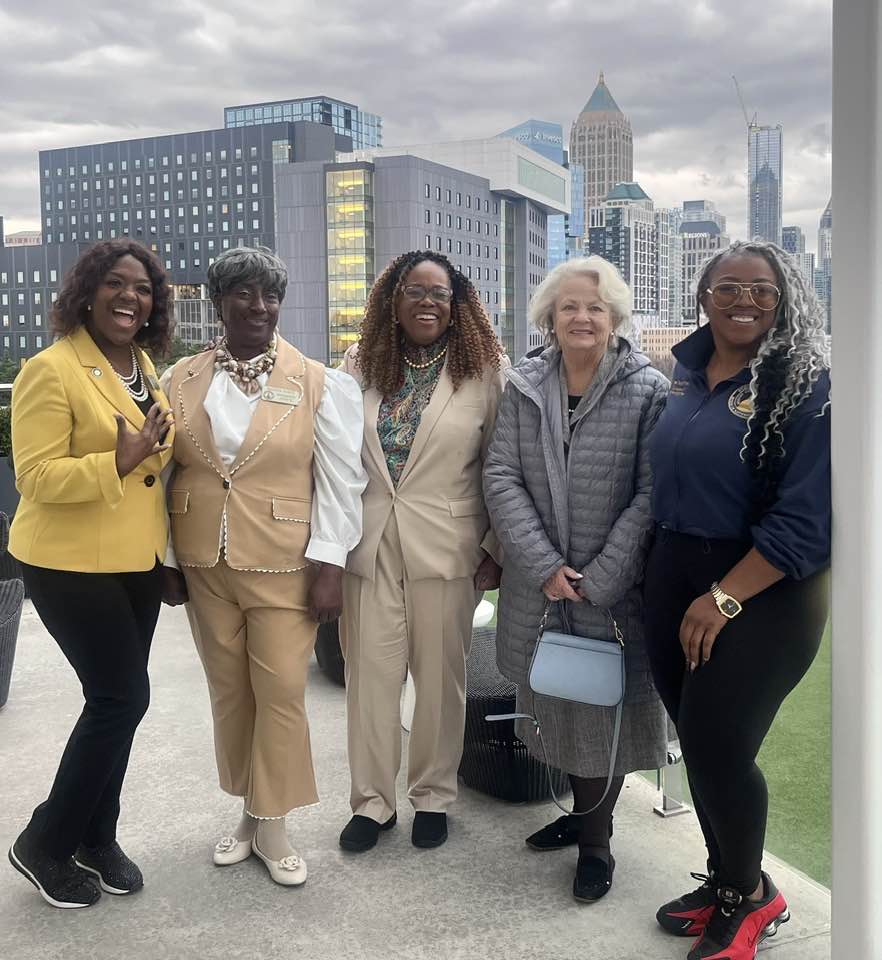
I participated in the DeKalb Delegation Town Hall this week. Good crowd!
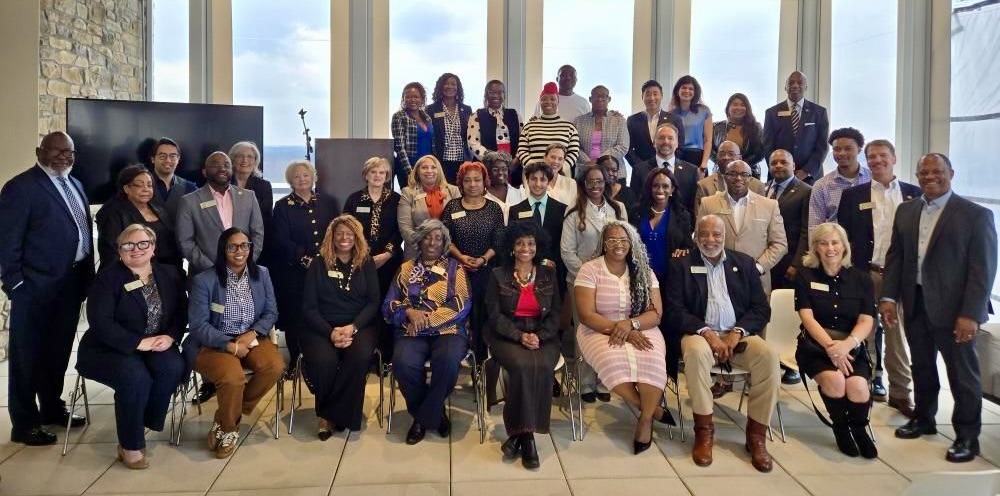
Here is the House Democrat Caucus at our first 2026 Session meeting on Thursday, January 8th. We are ready to work!
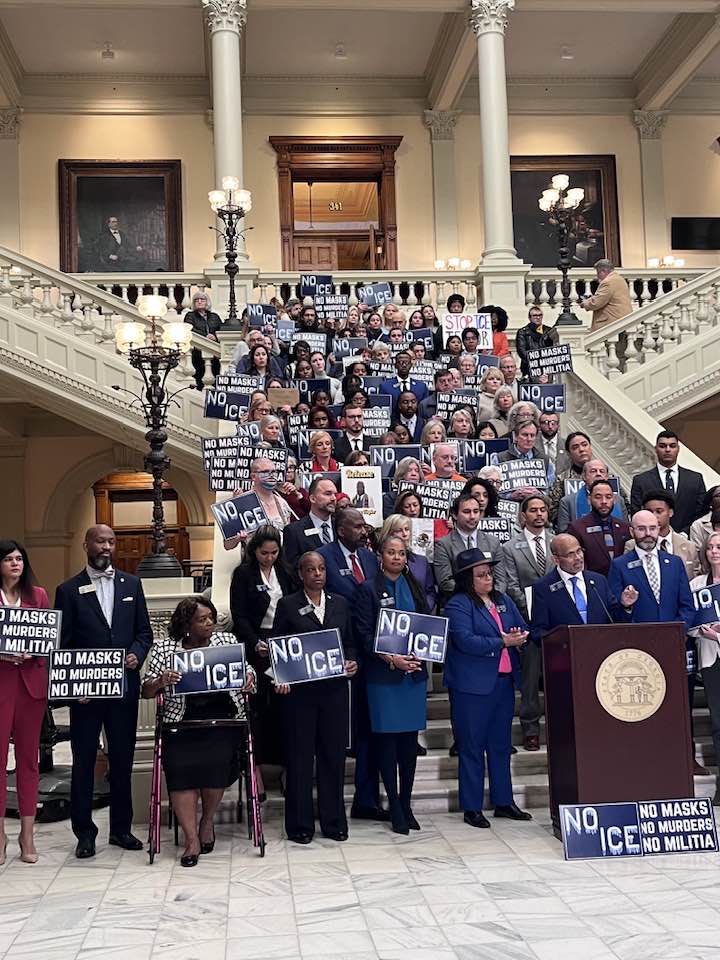
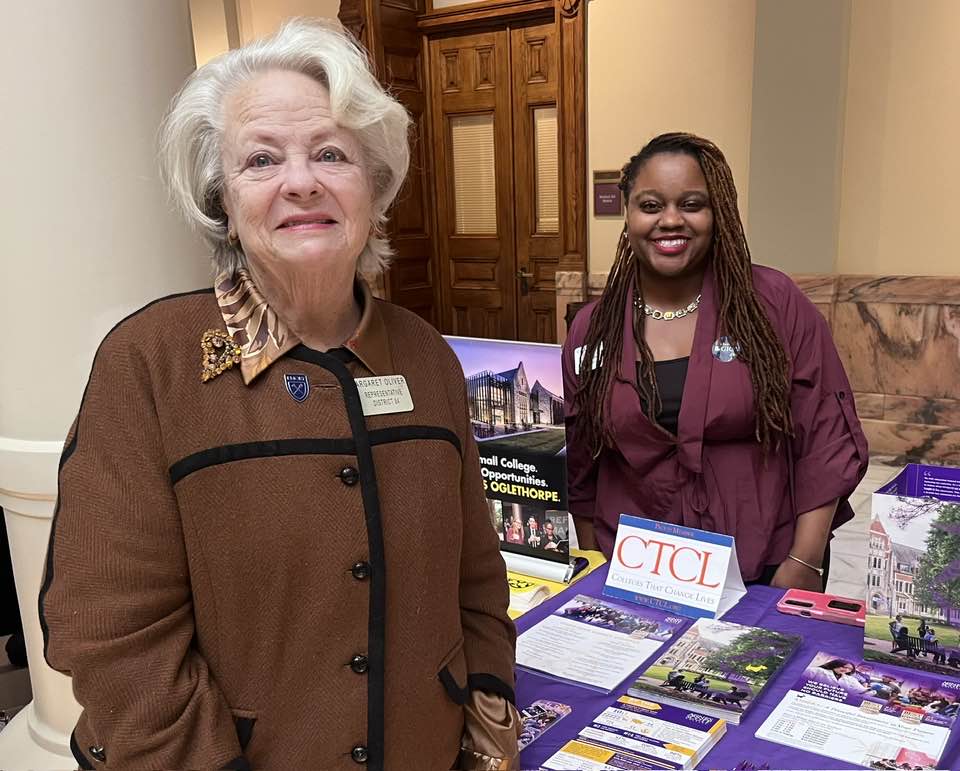
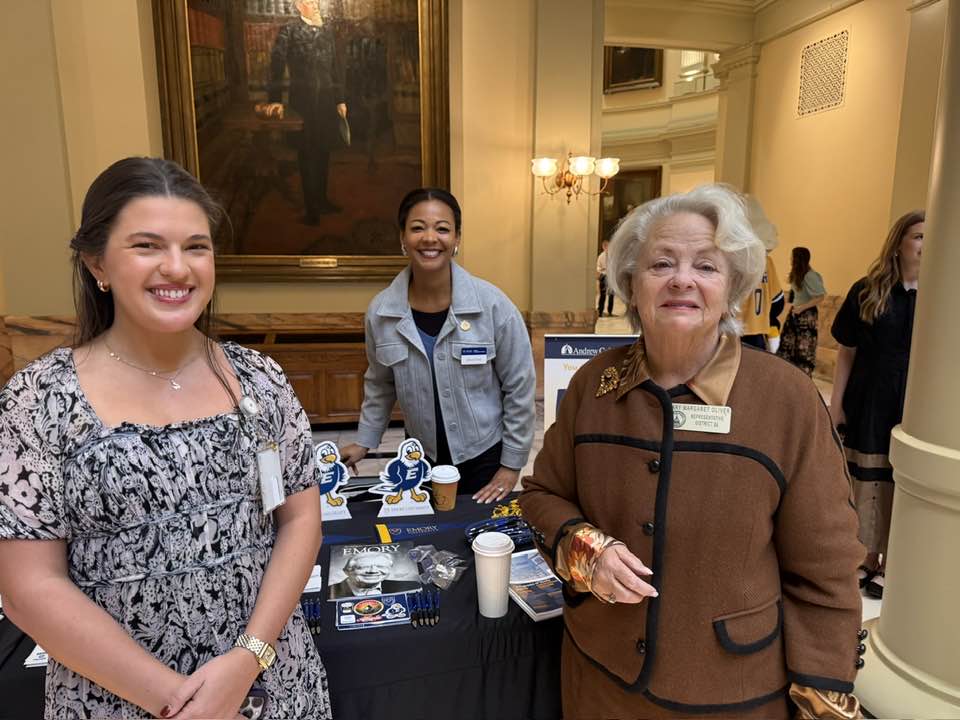
Day 2 (January 13th) and we've done no harm yet. A good heartfelt crowd gathered for a No ICE press conference, and both Emory and Agnes Scott visited for Independent Colleges Day— all welcome!
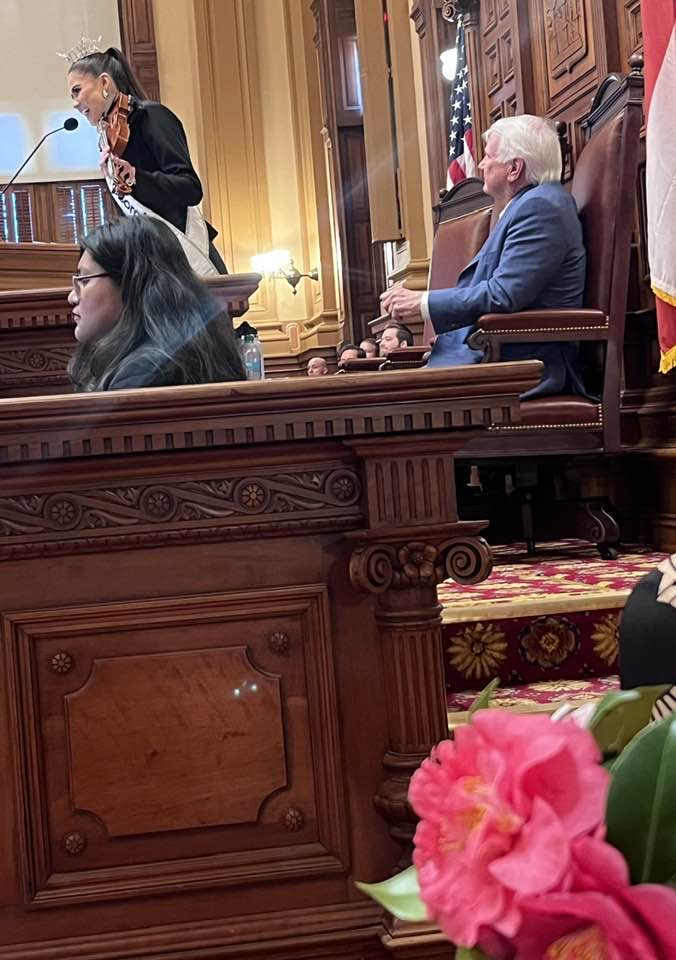
First day of Session. We are here, another beginning! With Miss Georgia singing "Georgia on my mind!" Wish us luck!
UPCOMING DATES
Friday, January 16th - MLK Shabbat Dinner at The Temple
Saturday, January 17th - All Saints' Episcopal Church MLK Annual Concert
Monday, January 19th - DeKalb County NAACP MLK Day Parade
Tuesday, January 20th - Thursday, January 22nd - Joint Appropriations Hearings
Wednesday, January 21st - Superior Court Judges Conference in Athens
Wednesday, January 21st - Georgia Healthy Housing Coalition Day at the Capitol
Wednesday, January 21st - Emory Legislative Dinner
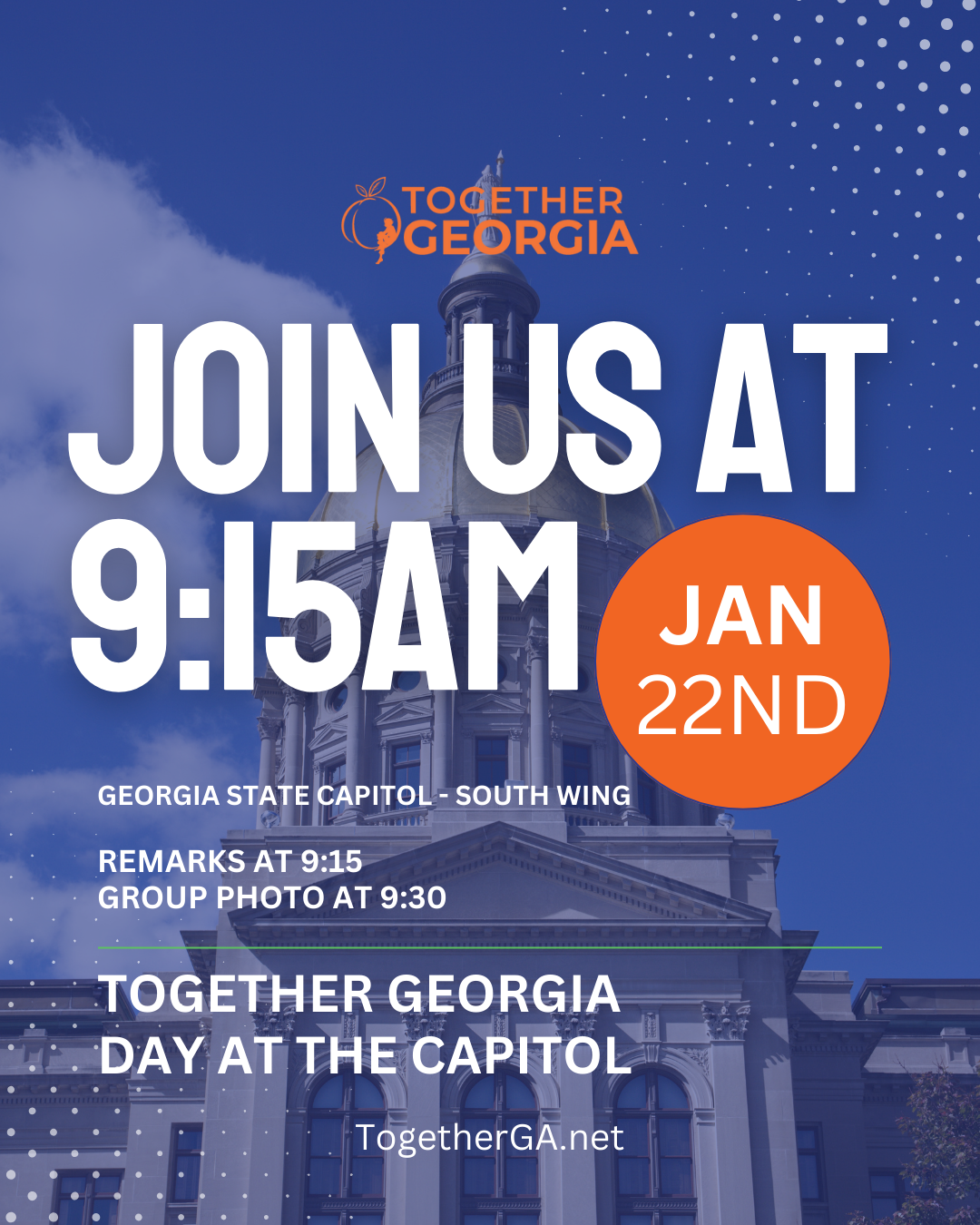
Thursday, January 22nd - Together Georgia Day
Tuesday, January 27th - Decatur State of the City
Wednesday, January 28th - Wellroot Ribbon Cutting
QUICK LINKS FOR YOU
I am on the following legislative committees. You can watch live every time they meet. Click on the links below for livestreams, agendas, archives and more.
Committees:
- Appropriations
- Governmental Affairs
- Judiciary
- Juvenile Justice
- Public Health - Secretary
- Technology and Infrastructure Innovation
Subcommittees:
- Appropriations - Human Resources
- Governmental Affairs - State and Local Government
- Judicial - Leverett (two)
You can search for and track bills, watch the House (or Senate) in Session, watch committee hearings, monitor legislation by committee, and find contact information —- all on the revamped General Assembly website. Here are quick links:
- General Assembly website: https://www.legis.ga.gov/
- House Session meetings and many committee hearings are available to watch online: https://www.legis.ga.gov/house
- Archived videos of meetings and hearings: https://www.legis.ga.gov/house/media-services
Make your views known and tell me what issues interest you the most.

.png)


