
Georgia Child Welfare Cuts Called ‘Unacceptable,’ House Proposes Budget to Relieve Foster Care Deficit

By Jordan Anderson, The Imprint
To resolve the ongoing controversy regarding state spending on foster care, the Georgia House of Representatives has approved an $82 million boost for the state’s child welfare agency — twice as much as what the governor pledged last month.
On Thursday, the House voted overwhelmingly in favor of additional funding for the Division of Family and Children Services, a move intended to address a massive budget shortfall and restore controversial foster care service cuts made late last year by the agency’s director, Candice Broce.
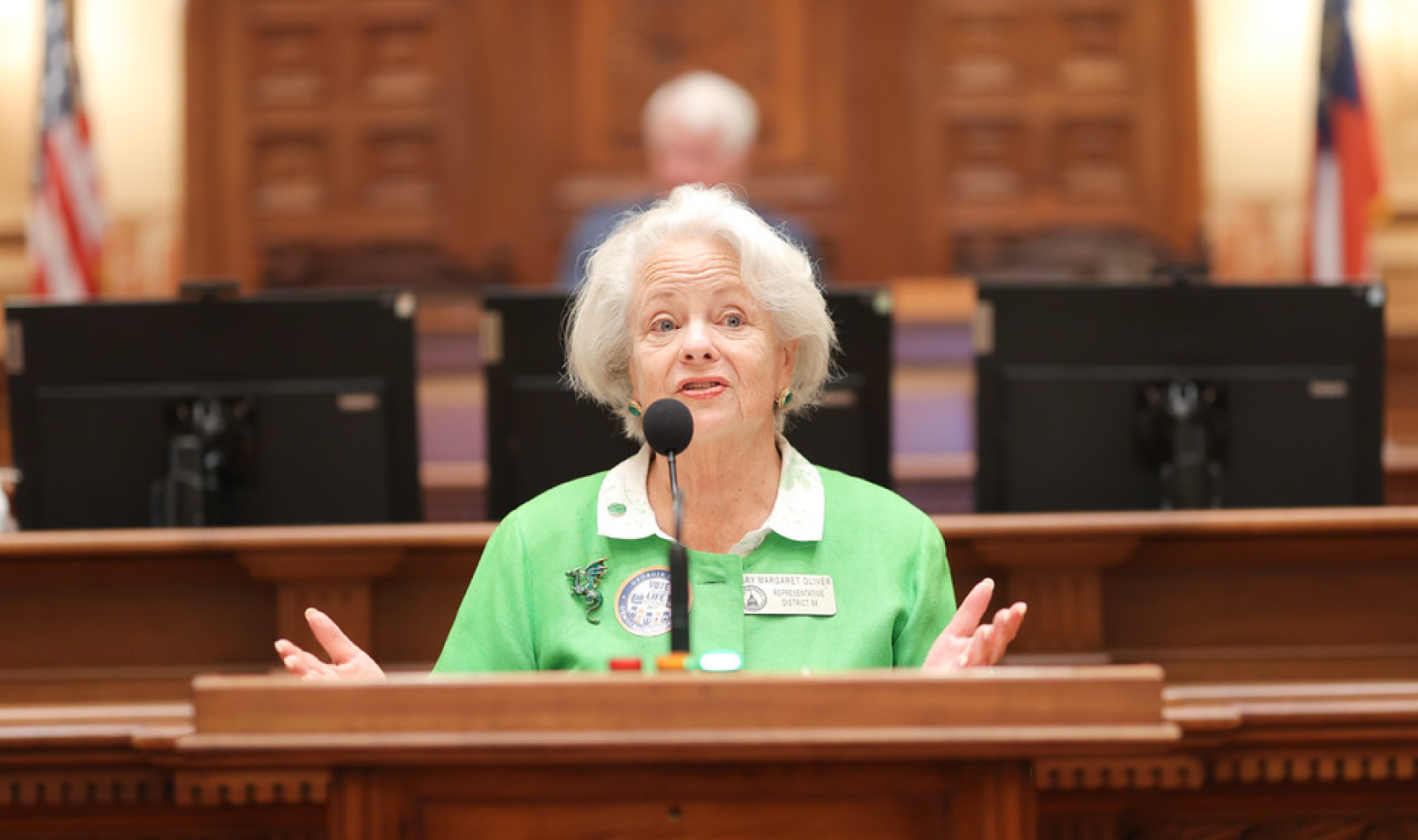
“We filled completely the DFCS deficit hole,” state Rep. Mary Margaret Oliver wrote Thursday on Facebook.
The proposed funding plan heads next to the state Senate.
The state’s foster care budget is $368 million for fiscal year 2026, which runs from July 1, 2025 through June 30, 2026.
In an interview with The Imprint on Friday, Oliver lauded her chamber’s proposal. She called the prior cuts to services for vulnerable children and families “simply unacceptable.”
“These nonprofit providers cannot stay in business if you’re cutting their funding and refusing to pay them,” she said.
Although restoring service cuts was the House’s primary focus, members ultimately want a clearer understanding of the child welfare agency’s deficit and “are committed to an independent audit,’’ Oliver said.
“What I have said many times publicly, and directly, is that the anecdotal stories about how this deficit has built to the size it is are just not adequate,” she said.
Simultaneously, state lawmakers are also considering two measures aimed at increasing oversight of the Division of Family and Children Services, which falls under the Department of Human Services. House Bill 1192 would require the Department of Human Services to keep funds appropriated by the General Assembly for specific purposes in separate accounts and prohibit the use of those funds for any other purpose. The measure also requires an annual review of the department’s practices to identify potential cost savings. The department’s commissioner would be required to report the findings to the Legislature.
A Senate resolution would create the Evaluating Escalating Costs in Georgia’s Foster Care System joint committee. The bill states that the cost of foster care has increased by 159% since 2022 and this “rapid escalation of costs jeopardizes the sustainability of existing programs.”
Multiple factors blamed
Broce, who heads the Division of Family and Children Services and the Department of Human Services, has cited multiple factors contributing to the deficit, including inflation, foster home shortages, the increasing complexity of foster children’s mental health needs and last year’s federal government shutdown. During legislative hearings in January, she also pointed to “performance” issues by contracted service providers, as well as “excessive” court-ordered services.
During those hearings, Broce told lawmakers that she’d brought the projected deficit down from $85 million to $48 million by initiating a strict approval process for the agency’s family support services and terminating several state-funded contracts in November. Broce said the terminated contracts were either duplicative or the providers were not meeting their obligations.
But service groups working directly with those involved with the child welfare system, as well as former state officials, have raised serious concerns about the impacts of the cuts. In a January letter to the governor, four former child welfare directors said the effects of lost services, including transportation, therapy and in-home care, were “profound and not easily reversed.”
“Across the state, essential child welfare service providers are reducing capacity, suspending programs, or closing altogether due to funding shortfalls,” the letter stated.
The recently passed House proposal doubles the rescue amount Gov. Brian Kemp pledged in January. He offered a $41 million increase to the child welfare agency’s budget — covering about half of the reported $85 million shortfall — to account for “exponential cost increases’’ for services.
Oliver said she remains unconvinced contractors are responsible for the agency’s troubles.
For example, she said, the commissioner of the Department of Transportation “didn’t blame the highway contractors” when that agency’s costs rose.
.png)


